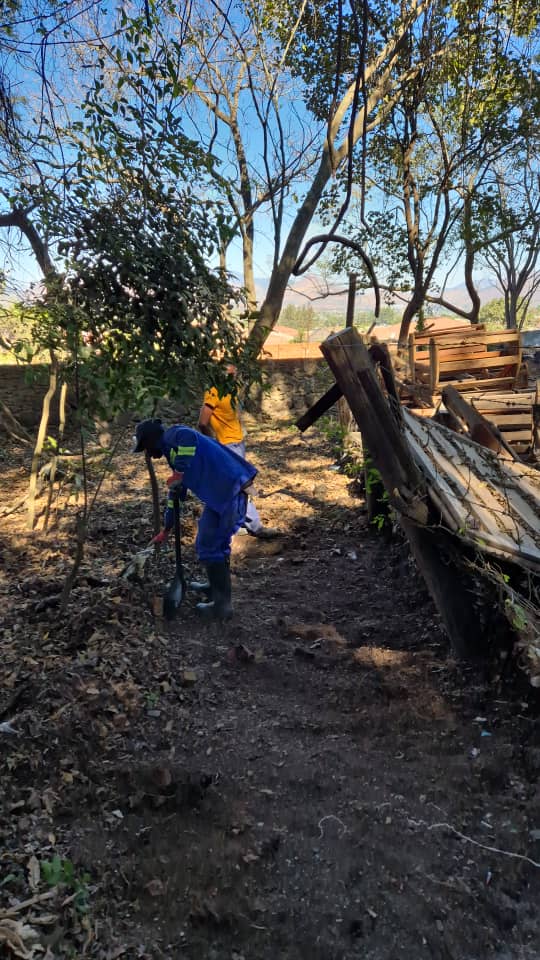


The NTZ is extremely happy to announce the construction of the Murawha’s Hill Education Centre, boundary wall and toilet block commenced on 15th June with Eng Jackson Njunga breaking ground with his team. The construction should be completed in a few months well before the rains arrive in Zimbabwe.
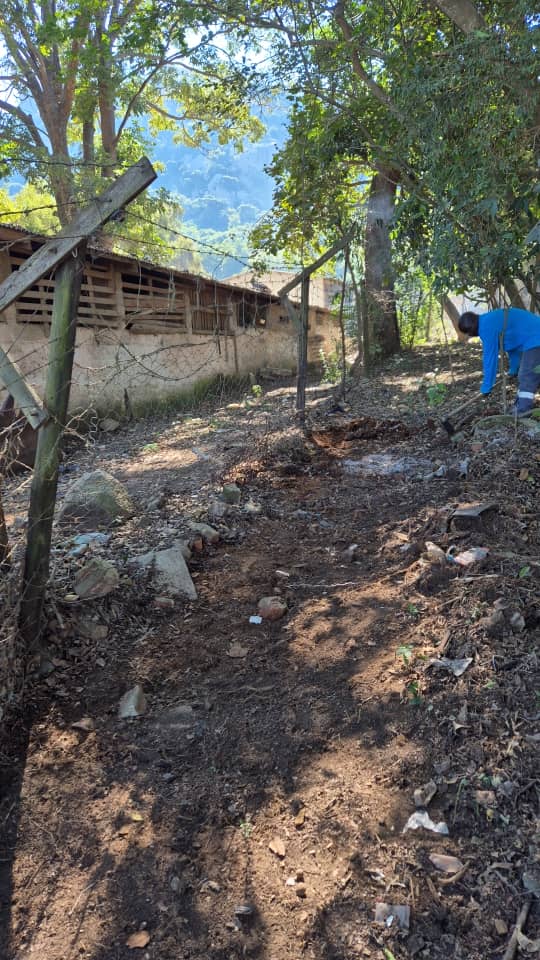 The ground work prep for the new brick wall along the boundary wall with the Mutare showgrounds
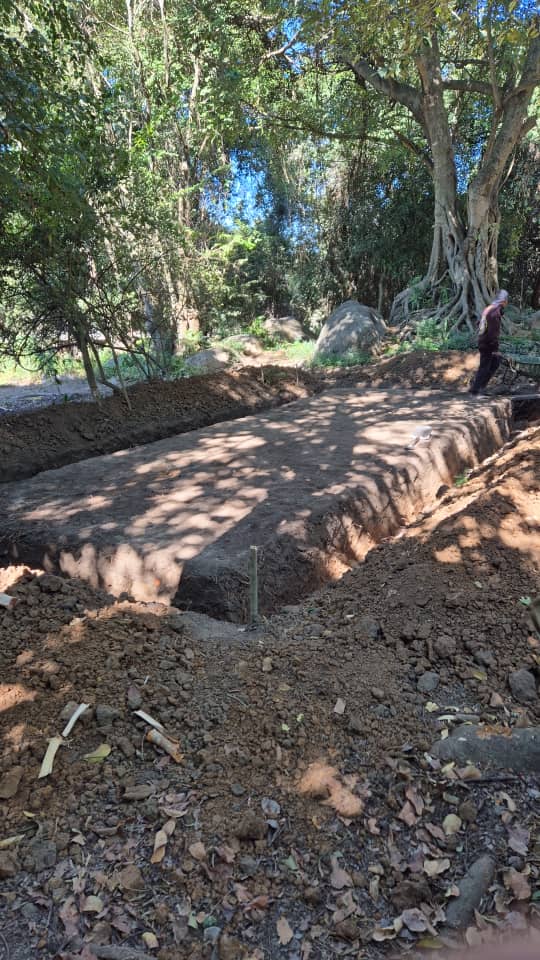 The start of the foundations for the toilet block
The project aim is to build an educational centre to preserve, explain and document both the cultural and natural history of the property and of the local area being the Eastern Highlands in Manicaland inorder to raise awareness through community outreach and invovlement.
The project was envisioned by the late Mrs Helen Hyslop some 15 years ago. Helen was a loyal, hard-working dedicated long term serving member of the Executive Council as was John (Treasurer) and Charles (Secretary) her two late sons. Helen, in particular, was very passionate about Murawha’s Hill and education. The Helen Hyslop Trust was created in 2025 and the NTZ is very proud to honour Helen’s dream and wishes into becoming a reality.

The NTZ would like to extend its deepest appreciation to Mr John Legat of the Roy Turner Trust who very generously donated to the education centre some years ago. The funding was ring fenced for the Education centre for a long time until there was enough funding from the HHT to build the centre.
The NTZ is extremely grateful to Mr Rob Burrett, Archaeologist who is a long-time supporter of the NTZ for sharing his professional advice and input, way back in 2011, for creating the centre. Mr Burrett designed the centre employing a traditional African method of building that would blend in perfectly with its surroundings: a large round rondavel made with materials that can be locally found in raw form, walls are often constructed from stones. The mortar may consist of sand, soil, or combinations of these materials.
The main roofing elements of a rondavel are wooden poles cut from local trees, harvested and cut to length. The roof covering is of thatch that is sewn to the poles with grass rope and made by a skilled artisan, as it must be sewn in one section at a time, starting from the bottom working towards the top. As each section is sewn, it may be weathered and aged to form a complete weatherproof seal.
A shaded amphitheatre is also planned, at a later stage, important for teaching and for entertainment. This would be built up against the side of the hill using local trees and relief.
Council Members are starting the process of collecting further educational material so that once the building is completed the information will be ready to display which will include the following topics:
- Geology of Mutare
- Flora of the region
- Specific plants
- Birds
- Animals
- Early history – Stone Age
- The Stone ruins and
- The recent pre-colonial past
A separate area will focus on:
- Deforestation
- Erosion
- Water pollution
- Air pollution and
- Urban challenges
The NTZ is truly grateful to Dr. Mpira for sharing his thesis entitled: Storage Pits of Early Farming Communities: examples from Zimbabwe and sub-Saharan Africa’ compiled after excavations at Murahwa’s Hill unearthed two small pits associated with the Ziwa Early Farming Community period of occupation and believed to have been used for storage.
This is a very exciting project and we are looking forward to hosting school children and visitors from around Zimbabwe and the region. It is hoped that the centre will also promote cultural tourism for the Eastern highlands. The centre will be available for hire for like-minded organisations for training and educational conferences in a historical and beautiful treed setting.